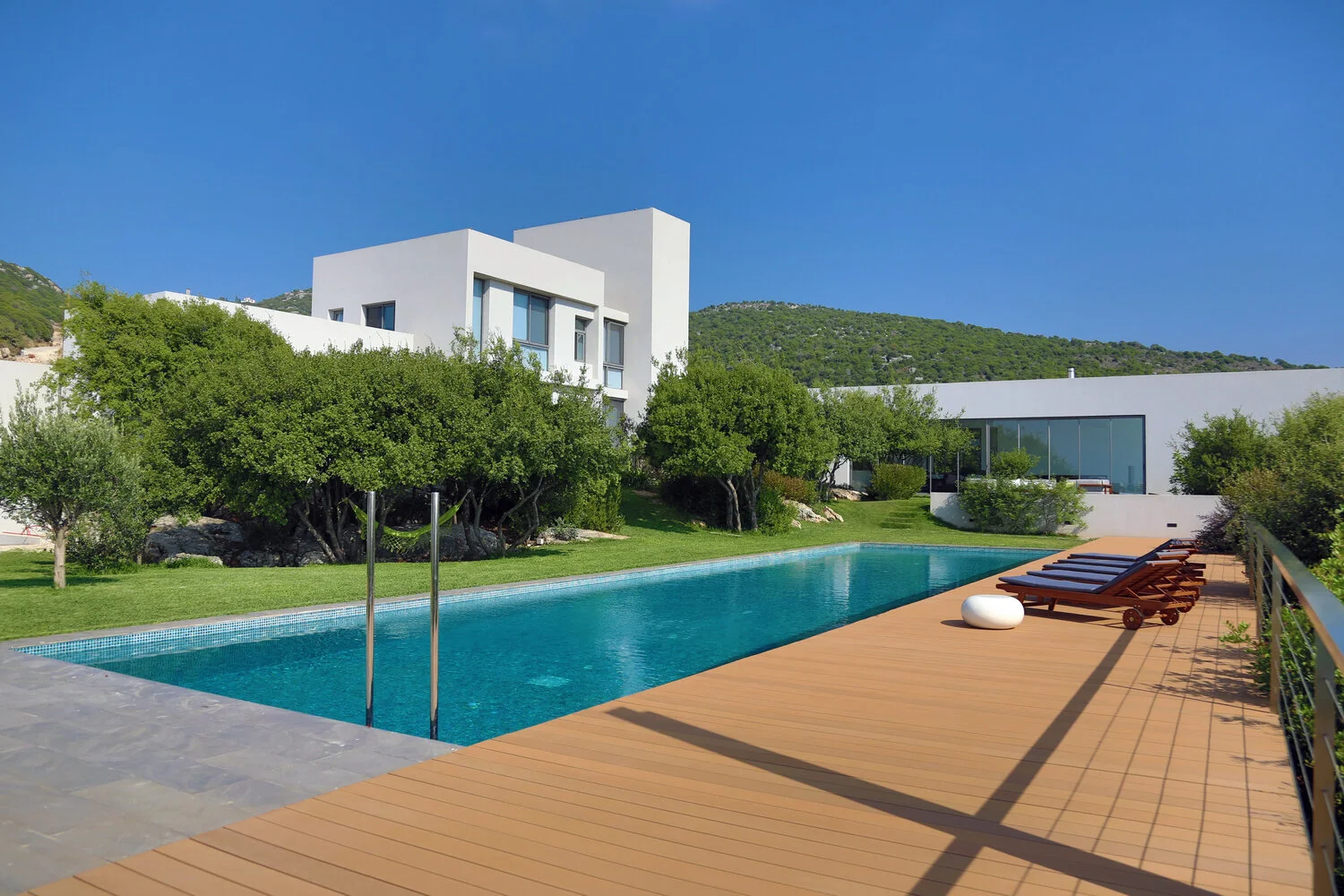
To say that the transformation we are undergoing in the way we think about our built environment is radical or unprecedented is in some ways an understatement. In a space of little more than ten years, the green building revolution has gone mainstream. One of the most significant factors propelling this movement forward is our collective worry about global warming. Never before has an environmental crisis been given a dimension that is as comprehensible, or as vividly imaginable to us, as the melting of our polar ice caps, the changing of our weather patterns and the recognition that we are responsible.
While I wholeheartedly endorse the green building movement in architecture and seek to fold green practices into my work wherever possible, I am not convinced that it does enough to tackle head on our current rates of consumption, which are not even close to sustainable. In my opinion, if we really want to be green, which is to say, live sustainably, we have got to come to grips with the consumer narrative that we are all deeply embedded in and begin to construct a new one.
This past weekend I gave a talk on this subject at the Ethical Culture Society of Westchester. A transcript of that talk can be found here.
In this talk I identify two movements, Voluntary Simplicity and Cohousing, as being examples of the kind of lifestyle change we need to be undertaking if we are to come to terms with our over consumptive life styles. Another that came to my attention as a result of giving the talk is the Small House movement. These are all relatively small movements, and I am not convinced that alone or collectively they are the answer. Yet they point us in a direction of conversation that I think can be useful.
I will be giving this talk again at the New York Society for Ethical Culture on April 20, 2008 at 11:30 A.M. I invite anyone in the vicinity to come and hear it. In the coming months I expect to be posting more on this topic and related issues, so stay tuned.
Michael Bogdanffy-Kriegh